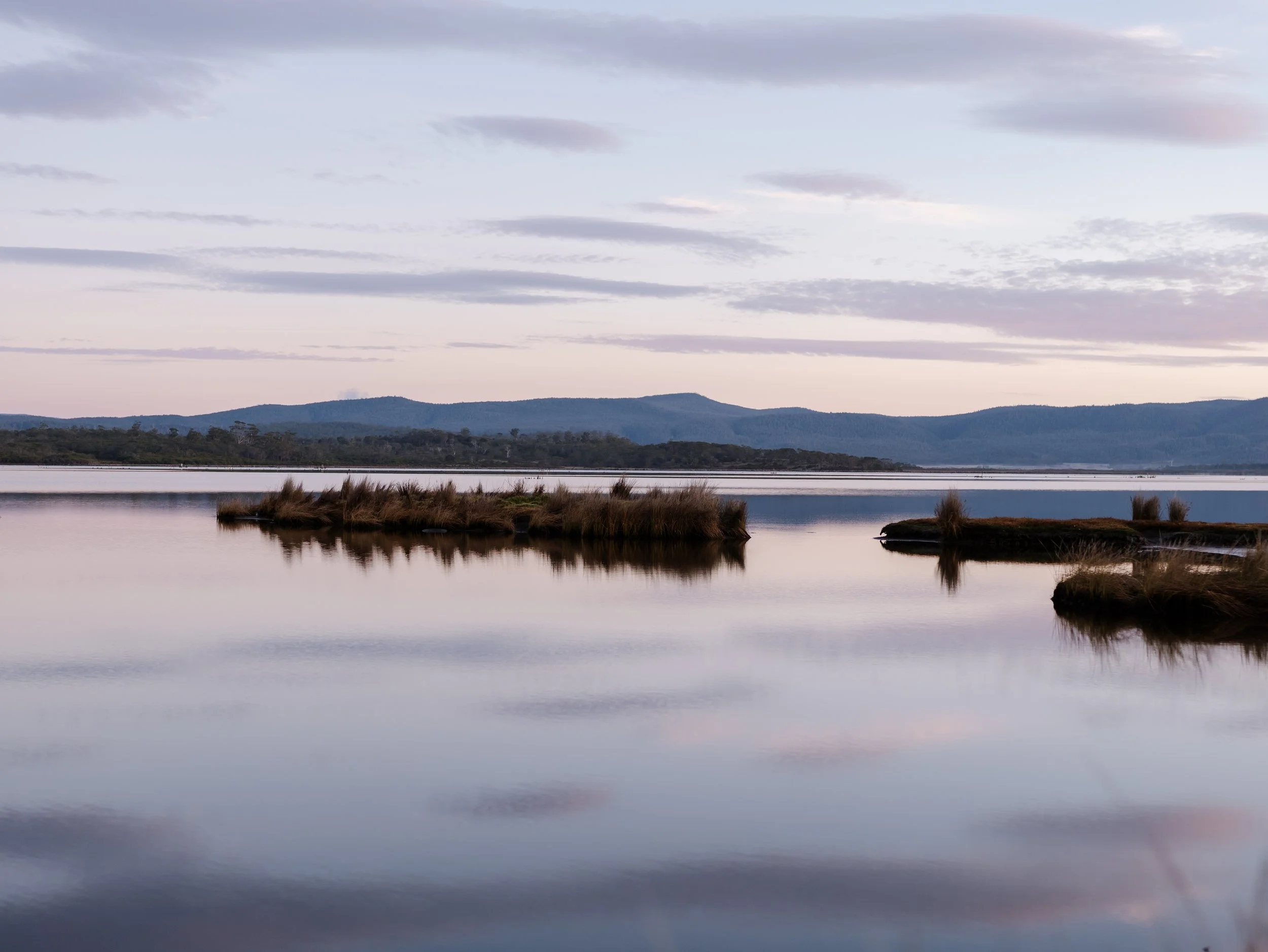
Moulting Lagoon
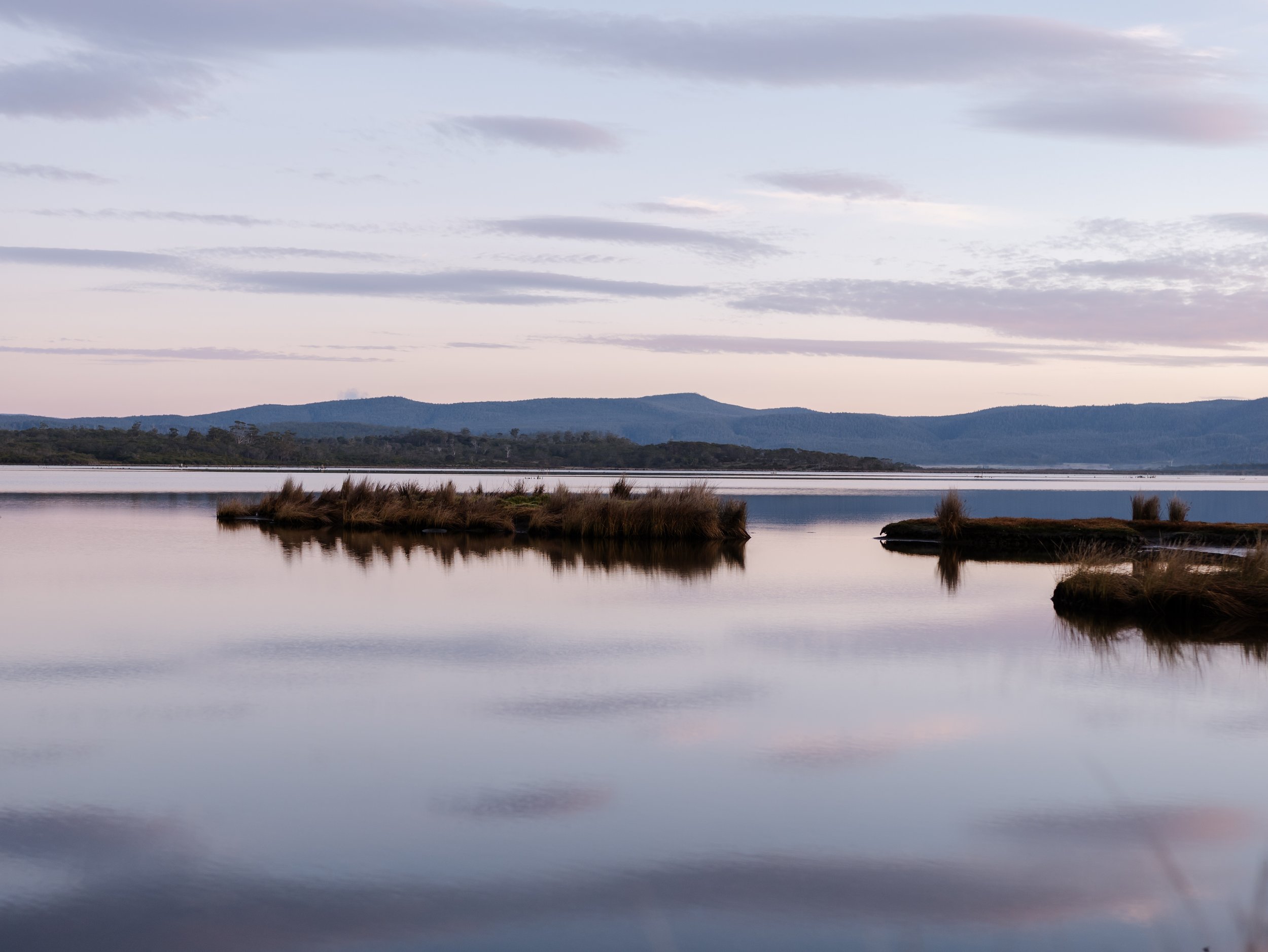
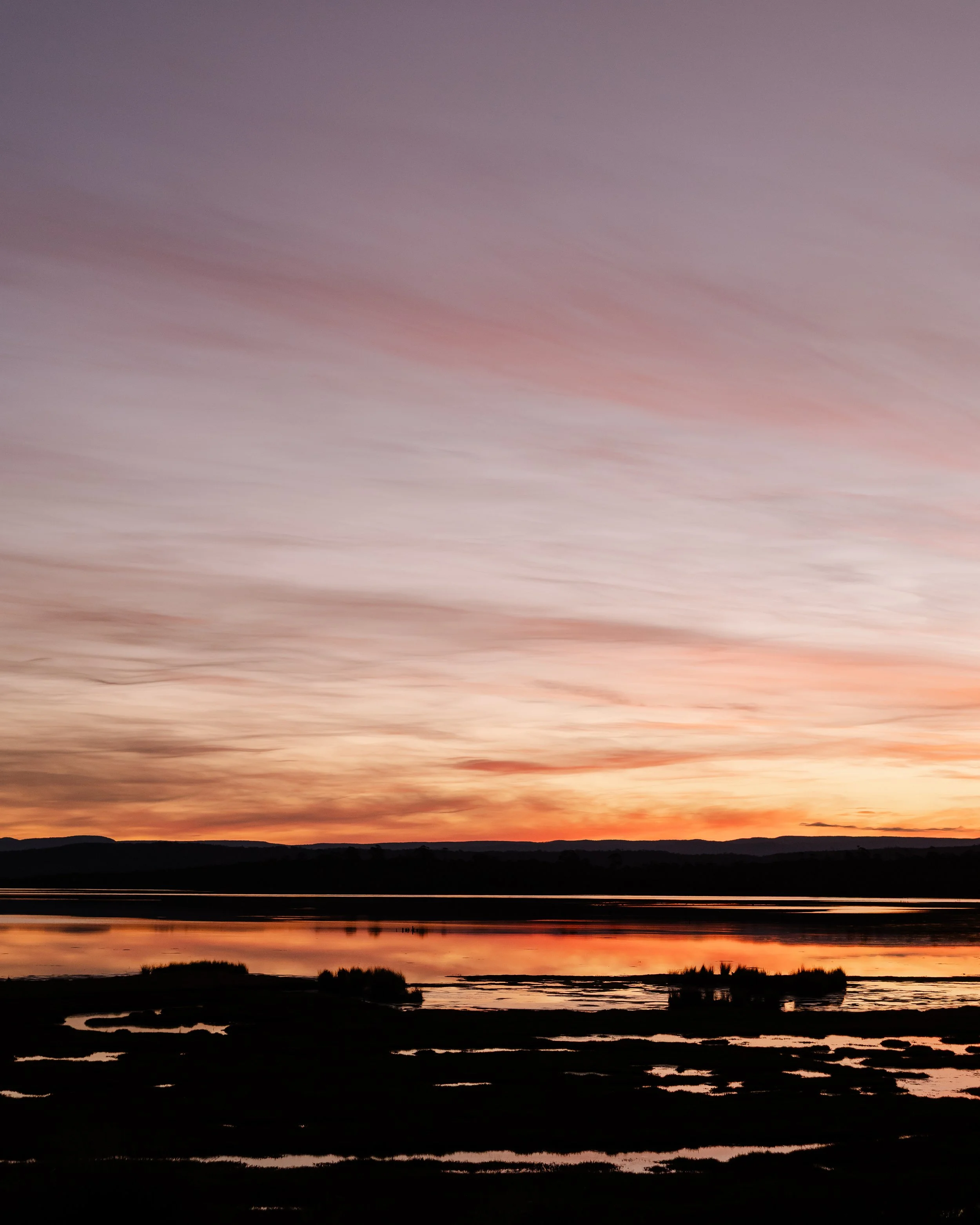
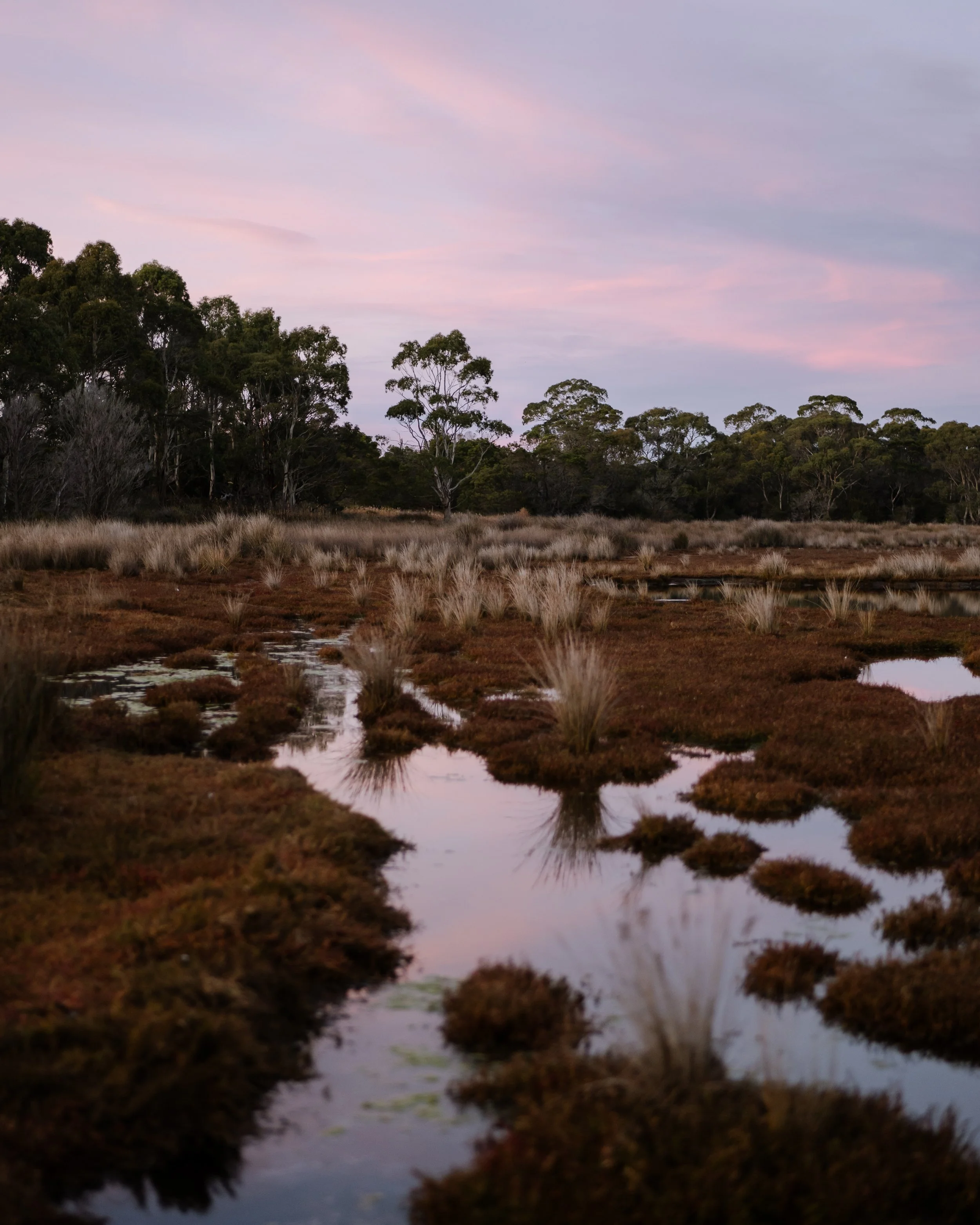
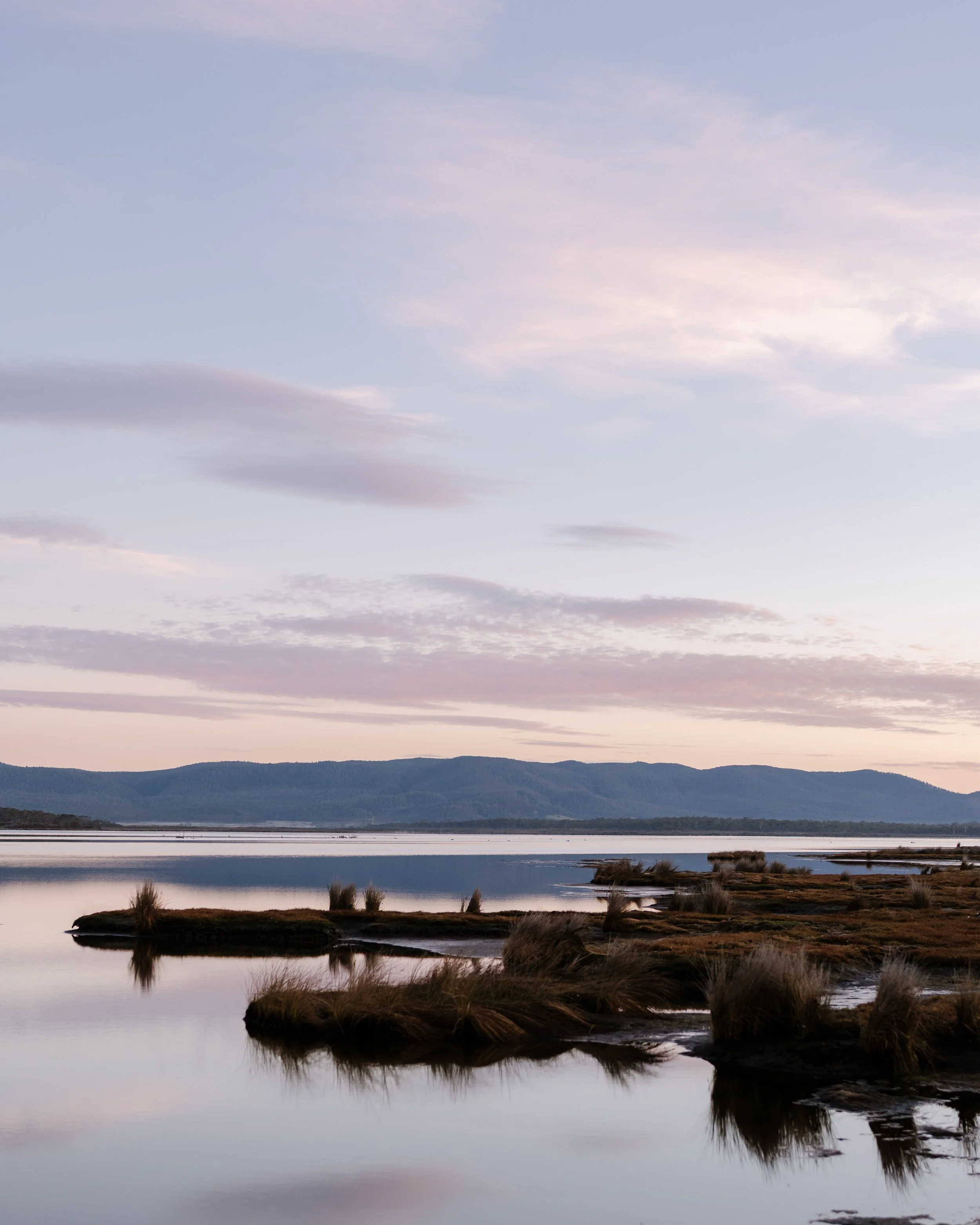
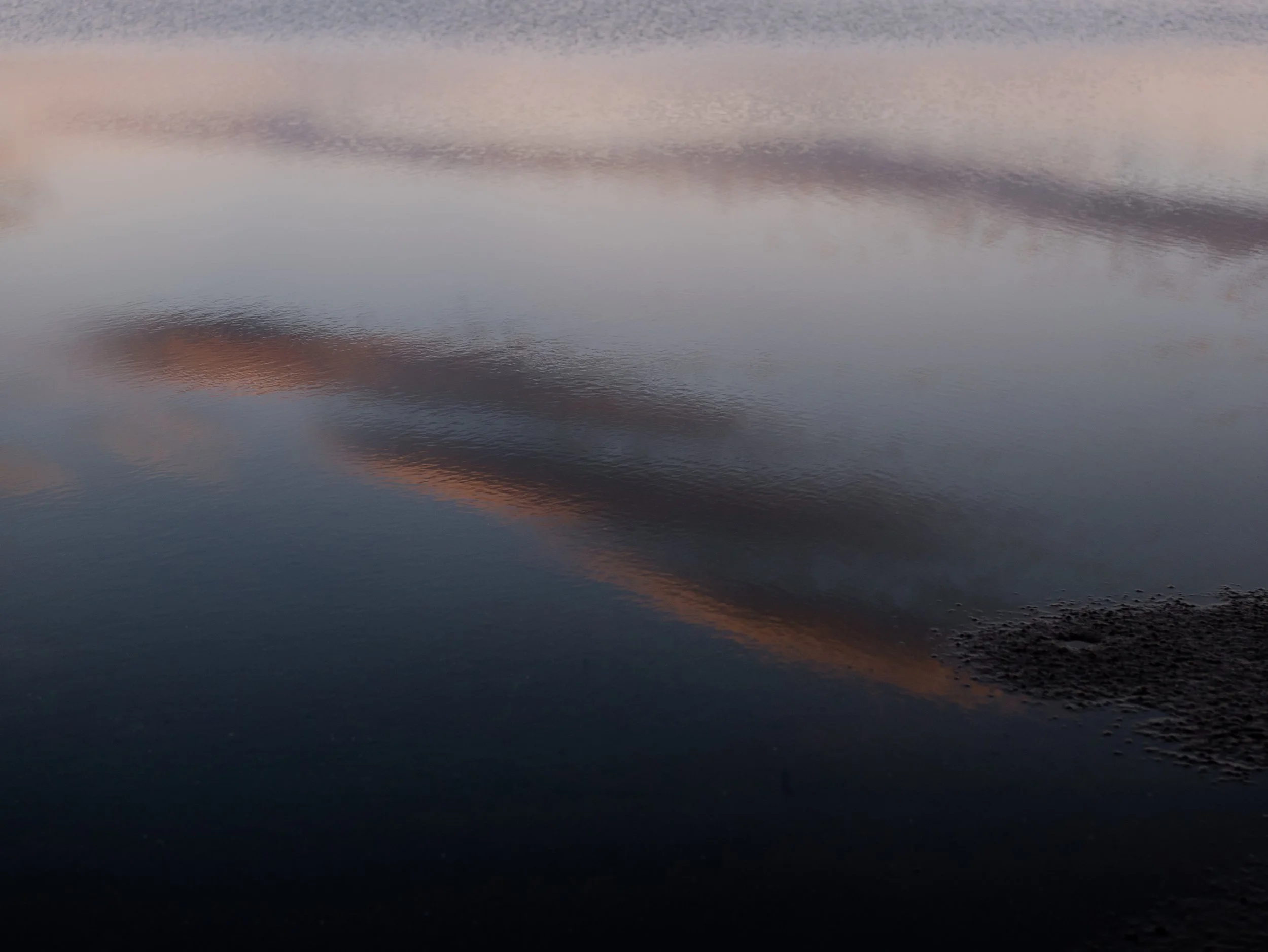
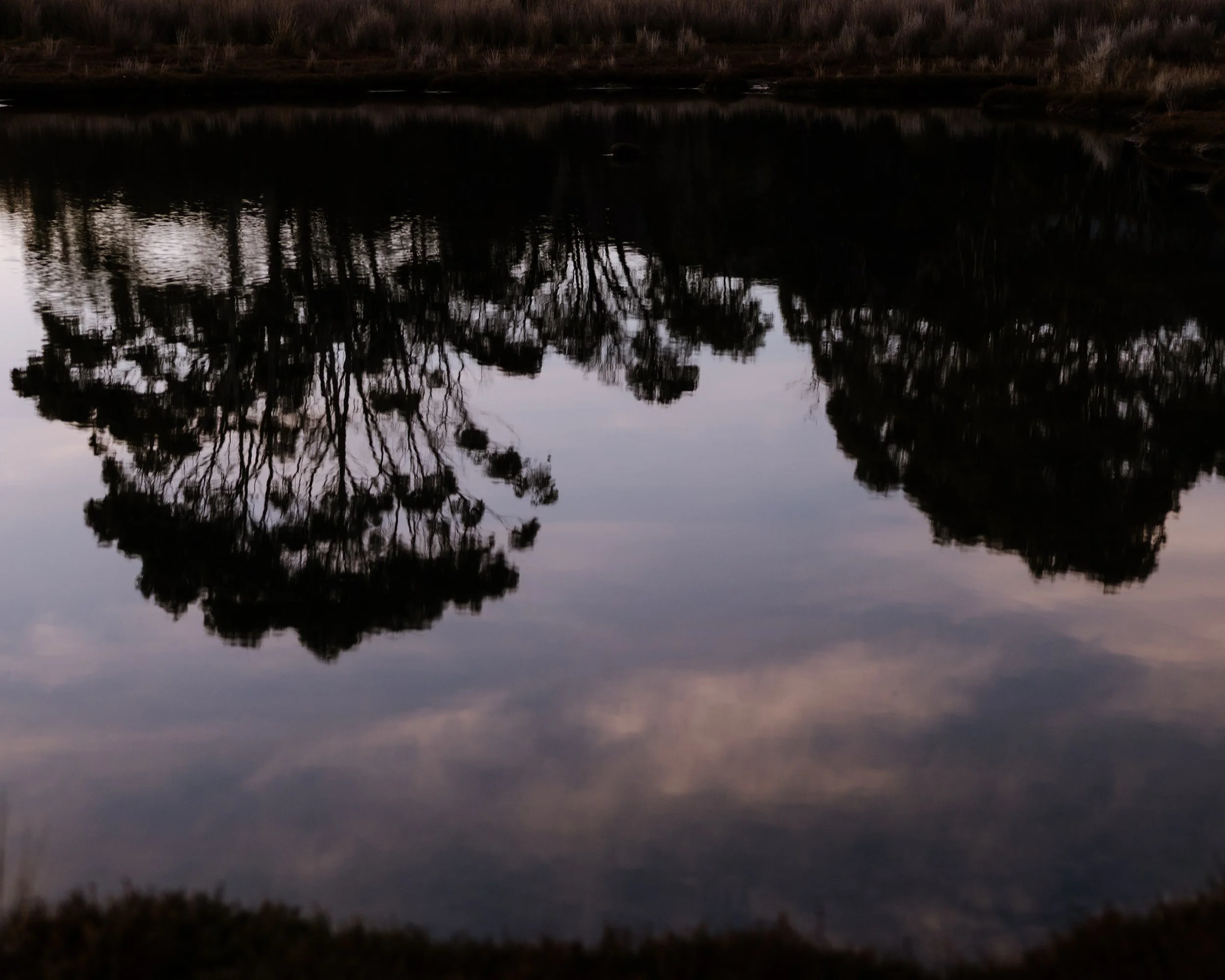
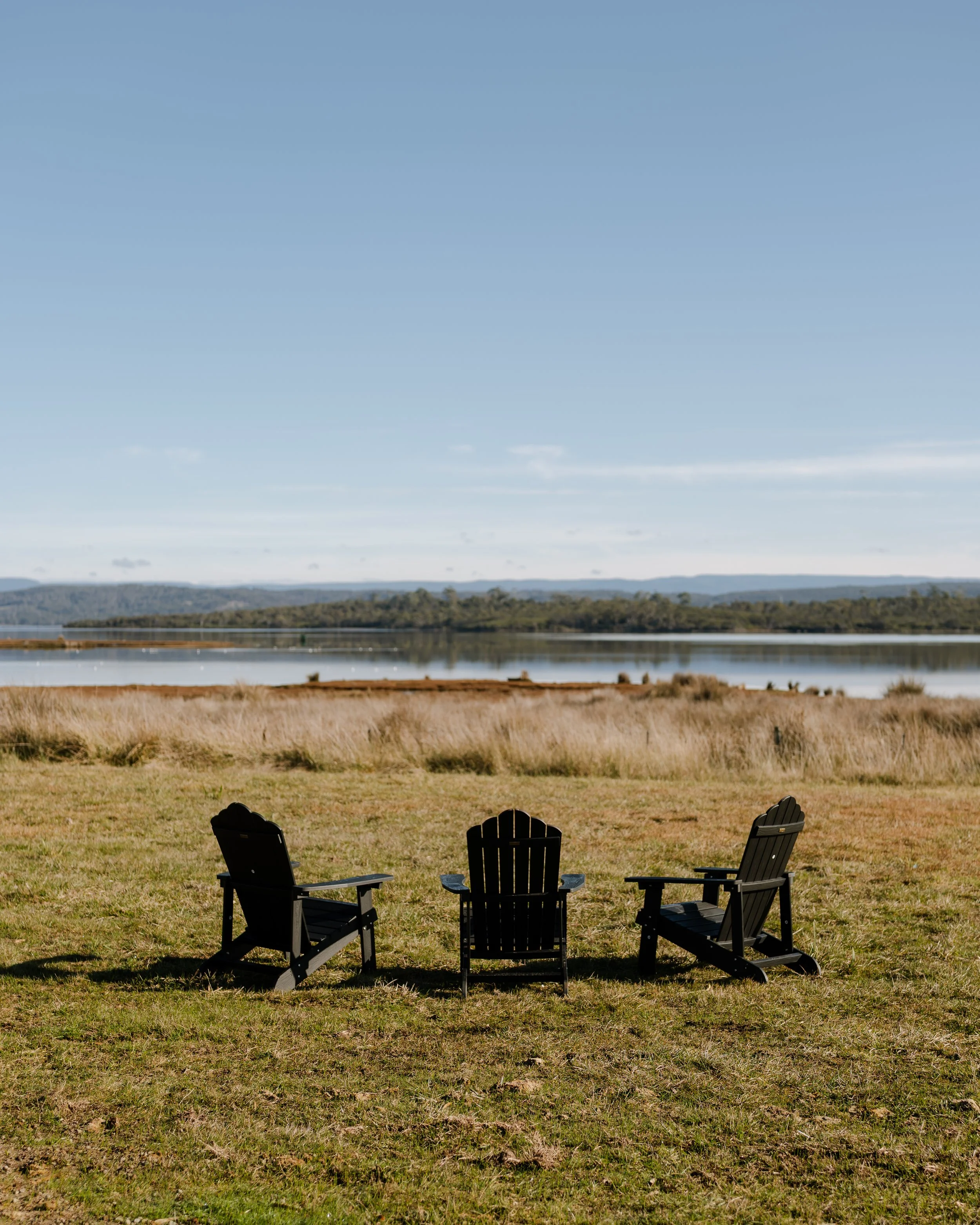
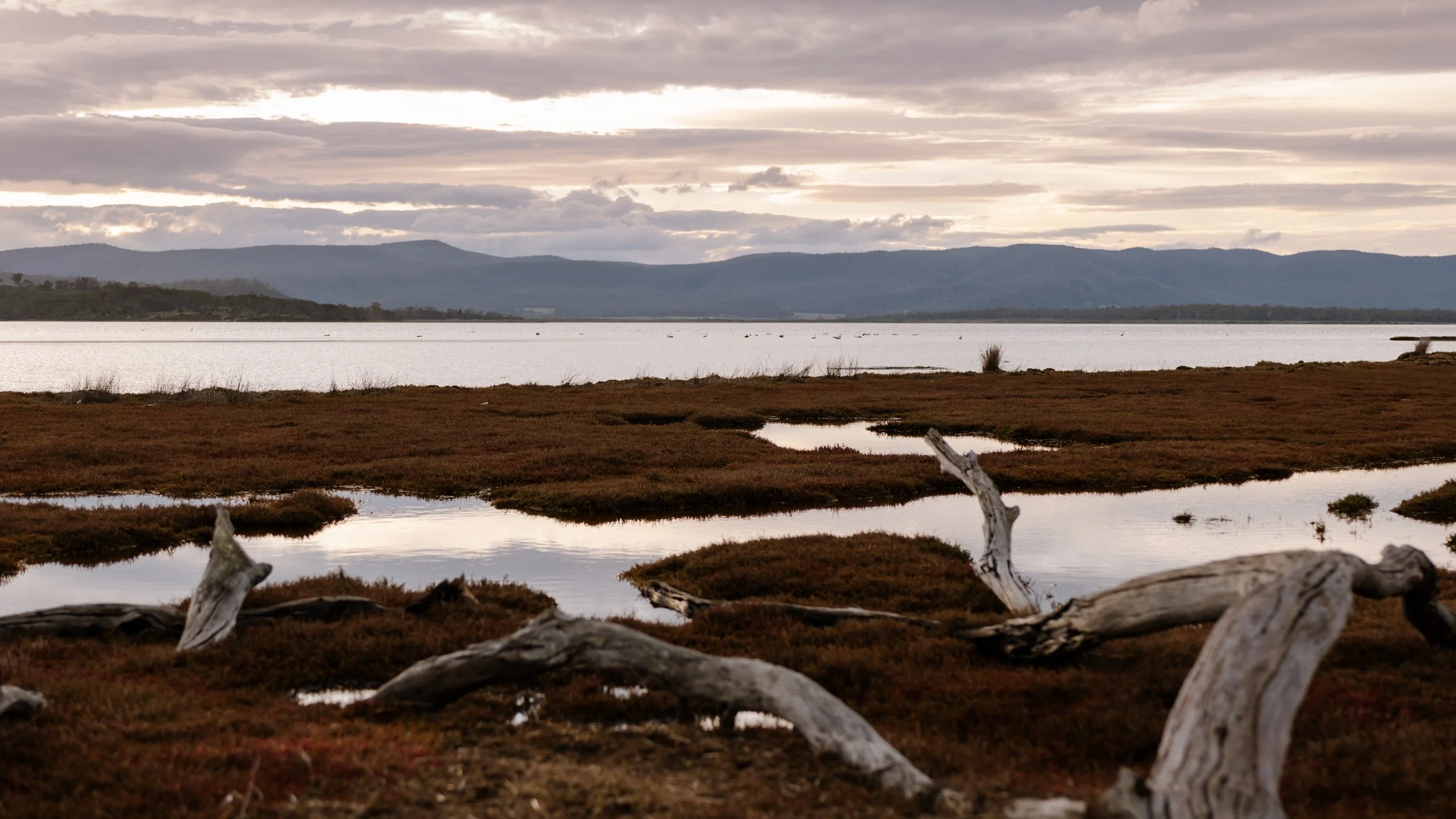
Wineglass Bay Estate is located on the picturesque waterfront of Moulting Lagoon - a vast wetland of exceptional natural beauty situated at the northern tip of Great Oyster Bay, on Tasmania's stunning East Coast. This wetland is renowned for its rare and significant collection of wetland plants and animals, supporting an abundance of aquatic species and waterfowl. Moulting Lagoon has been designated as a Ramsar site - one of ten in Tasmania - due to its status as a wetland of international importance. It also serves as a crucial breeding and foraging habitat for Black Swans, with numbers reaching a staggering 14,000 in dry seasons.
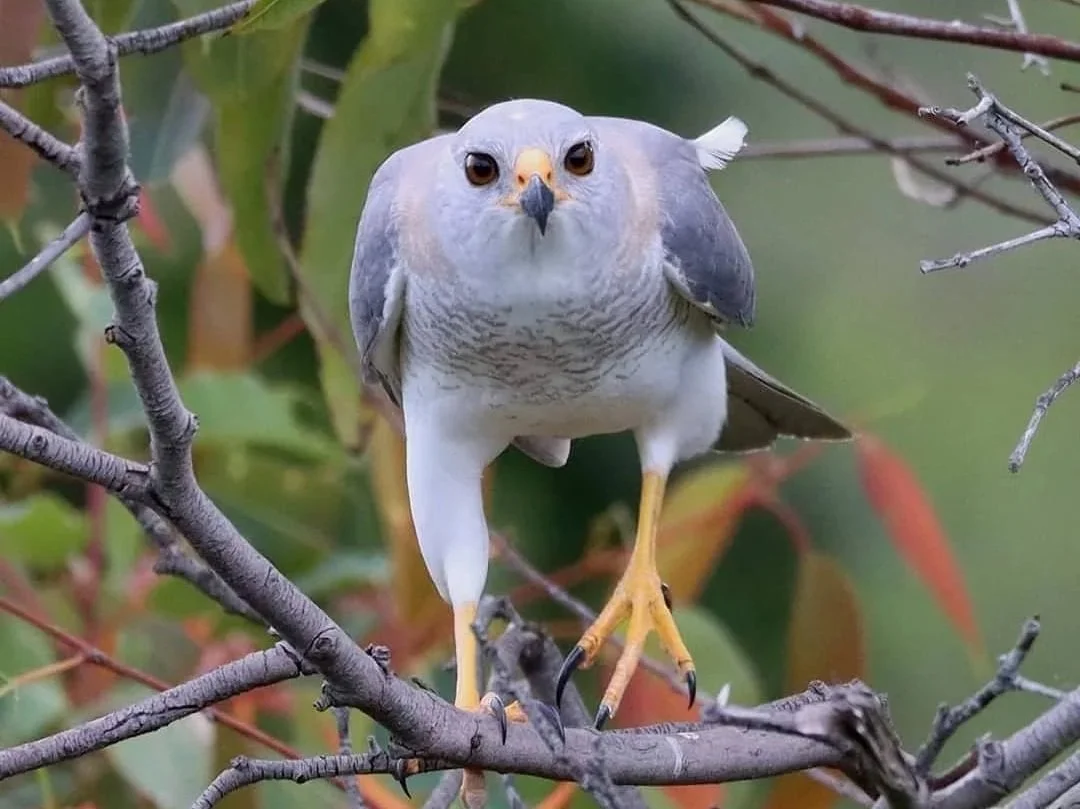
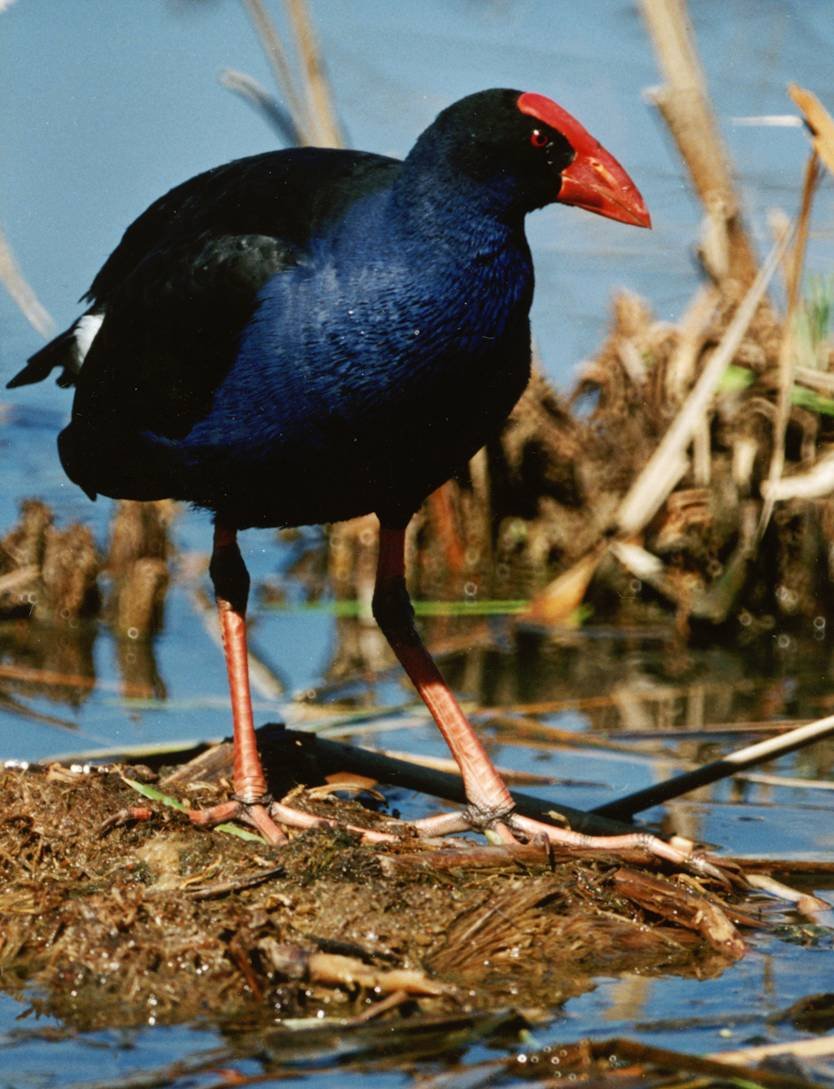
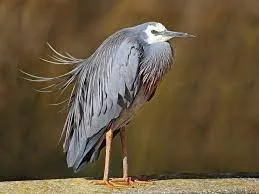
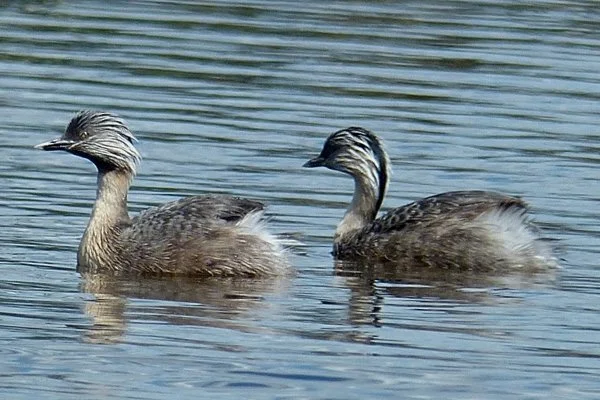
The lagoon usually supports at least 8000 black swans, about 80% of Tasmania’s estimated breeding population. It is an important site for many Tasmanian waterfowl and shorebirds at different times of the year, including ducks, egrets, plovers, grebes and cormorants. The lagoon is also important to migratory shorebirds that escape the harsh northern winter by coming here, and you may see many wonderful international visitors here over the summer.








-
Moulting Lagoon is a large coastal wetland on Tasmania’s East Coast known for its birdlife, waterways and natural beauty. The lagoon sits near Freycinet National Park and is recognised internationally for its environmental significance.
-
Moulting Lagoon is protected under the Ramsar Convention, an international agreement recognising important wetlands around the world for their ecological and wildlife value.
The lagoon provides habitat for migratory birds, black swans and a wide range of native wildlife throughout the year.
-
Moulting Lagoon covers more than 4,500 hectares of interconnected waterways, wetlands and coastal landscape along Tasmania’s East Coast.
Its scale and diversity make it one of Tasmania’s most significant wetland systems.
-
The lagoon was named after the large numbers of black swans that historically gathered here during moulting season.
Today, black swans remain one of the most iconic wildlife sightings throughout the region.
-
The Moulting Lagoon region is home to:
black swans
pelicans
white-bellied sea eagles
migratory birds
ducks and waders
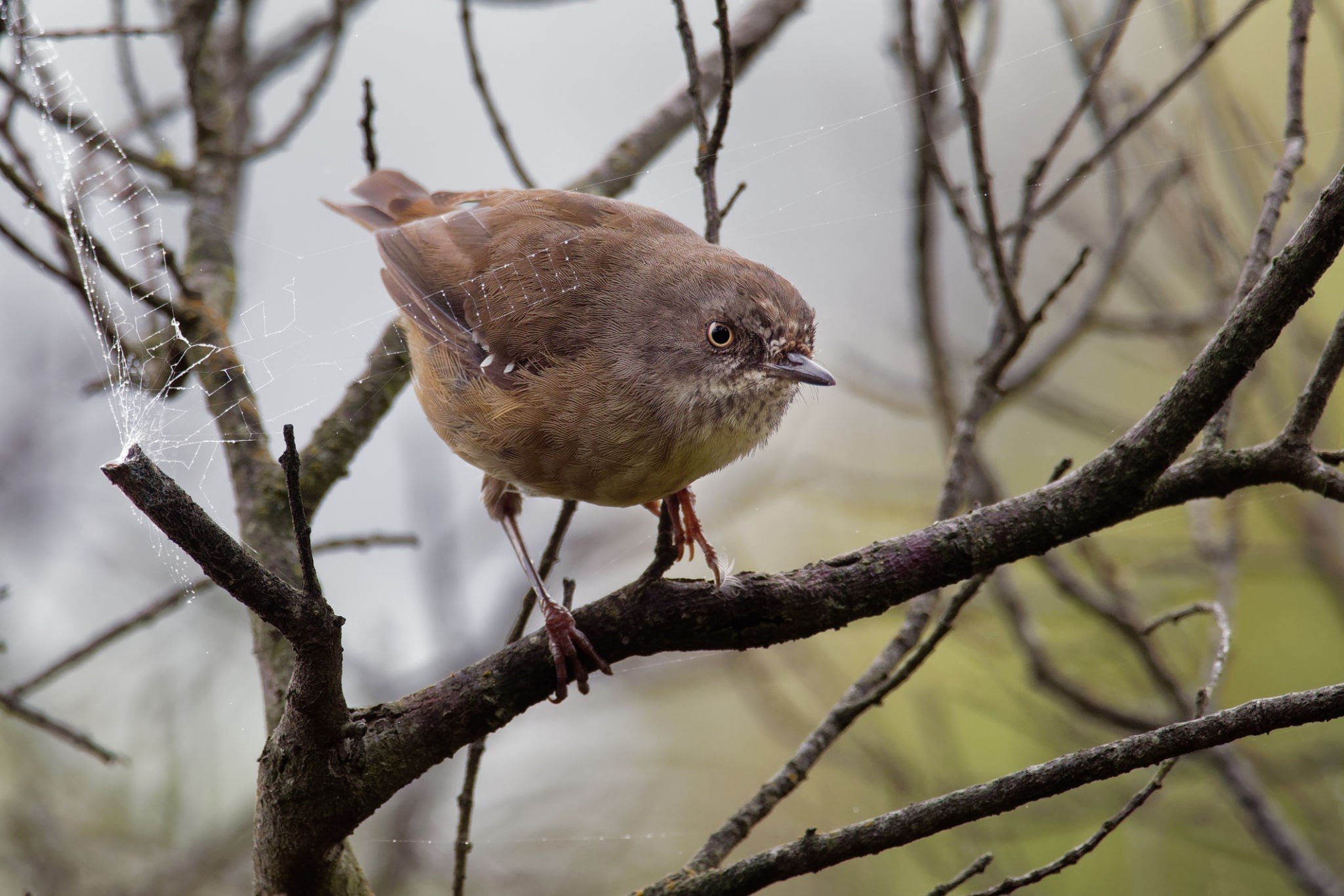
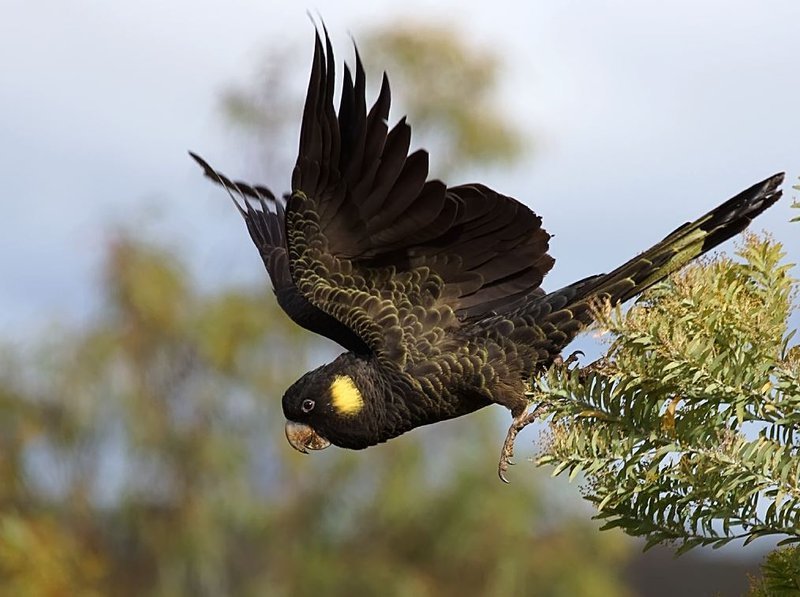
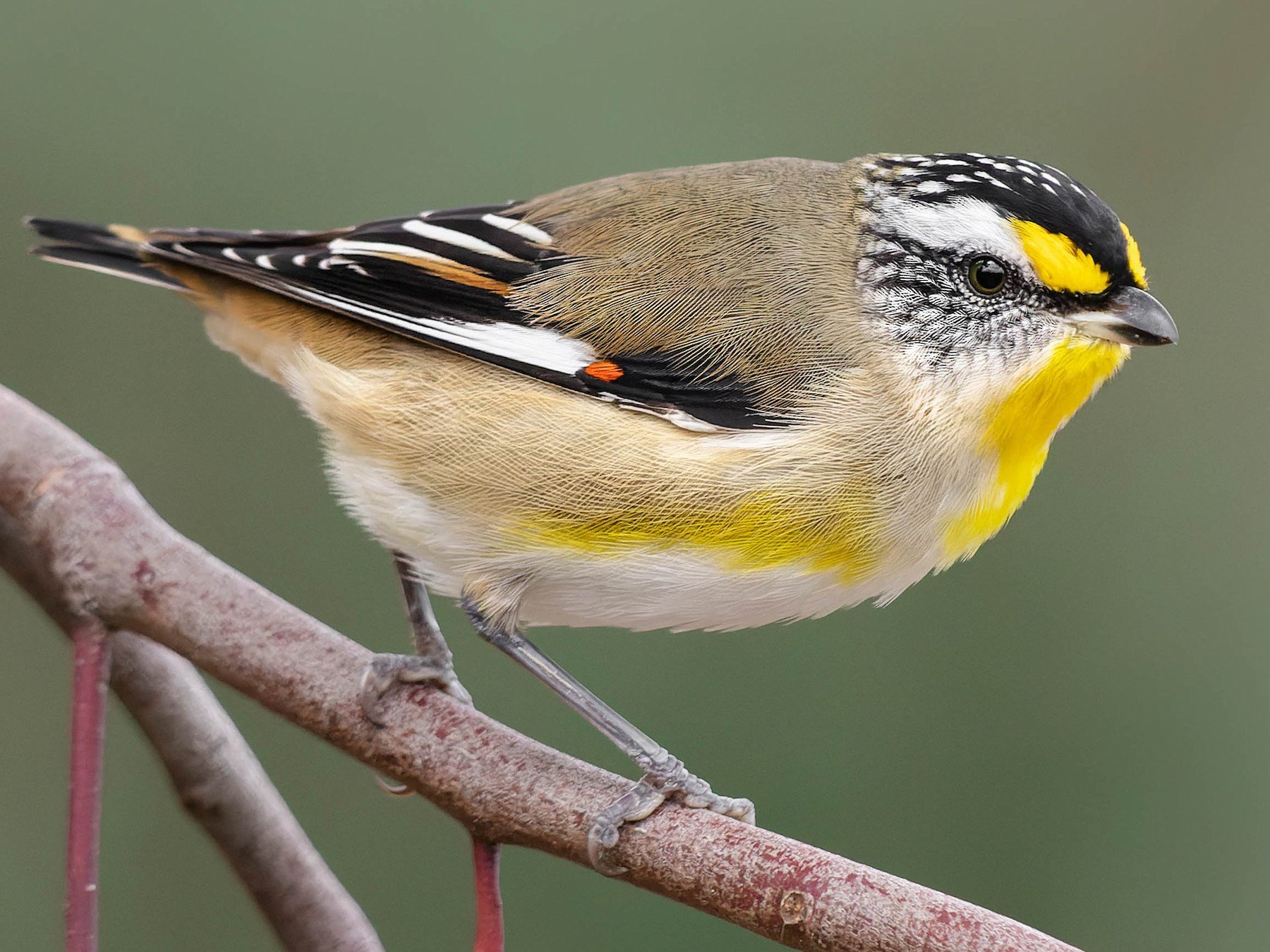
native Tasmanian wildlife
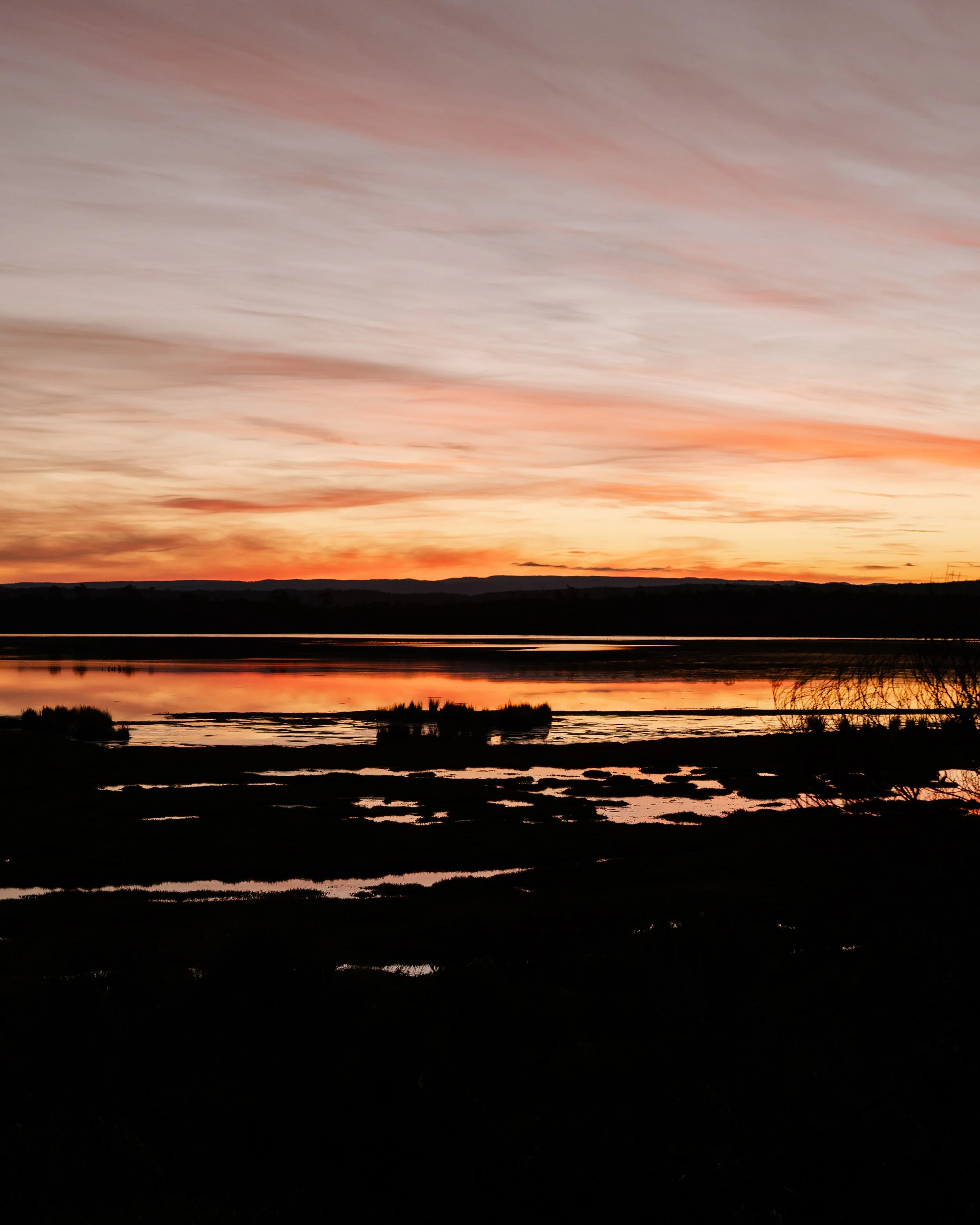
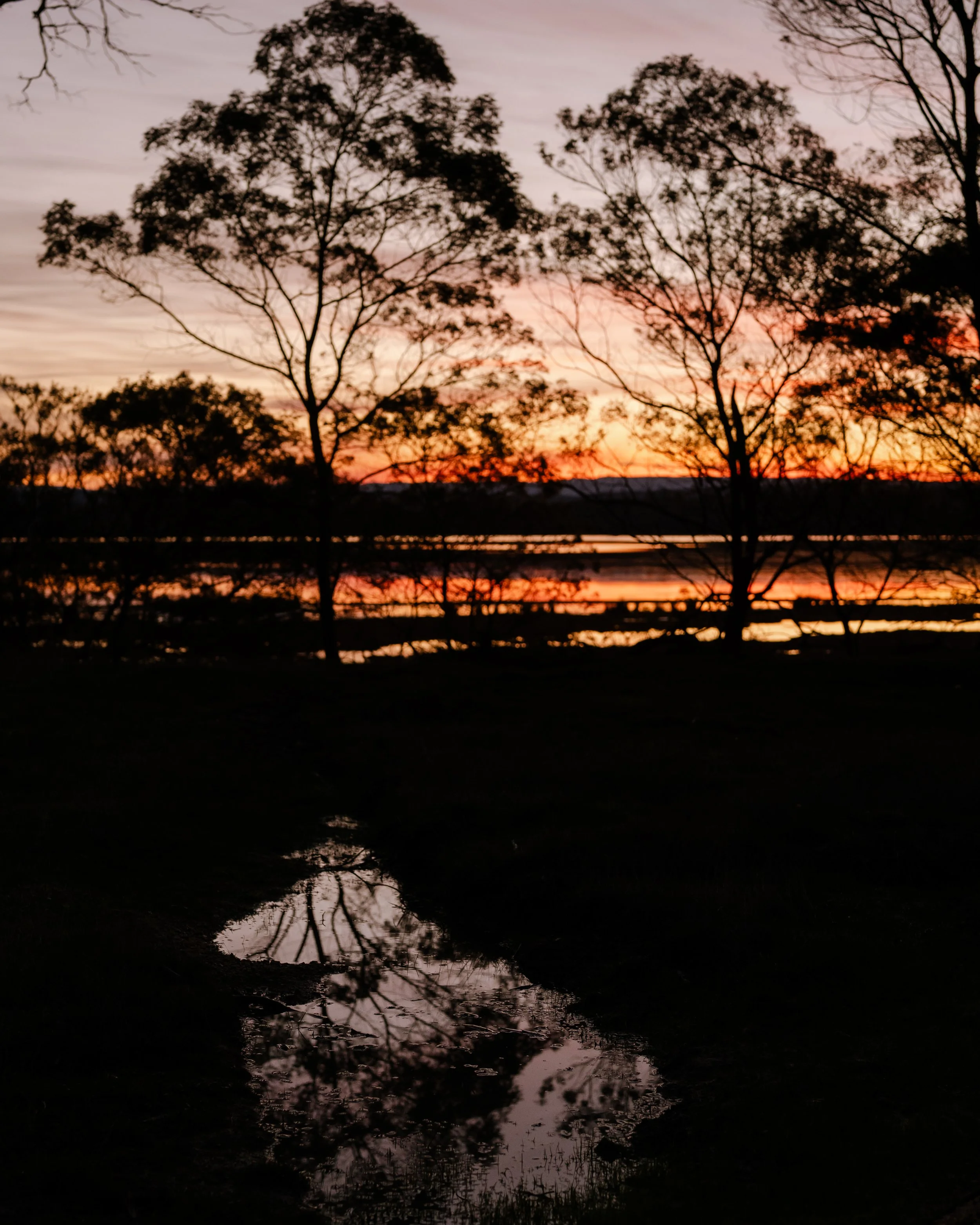
The surrounding landscape changes constantly throughout the seasons, making it a paradise for birdwatchers, photographers and nature lovers.
-
Yes. Tasmania’s Aboriginal people have deep cultural connections to the East Coast region, including the waterways and coastal environments surrounding Moulting Lagoon.
These landscapes provided important food sources, travel routes and seasonal gathering places for thousands of years.
-
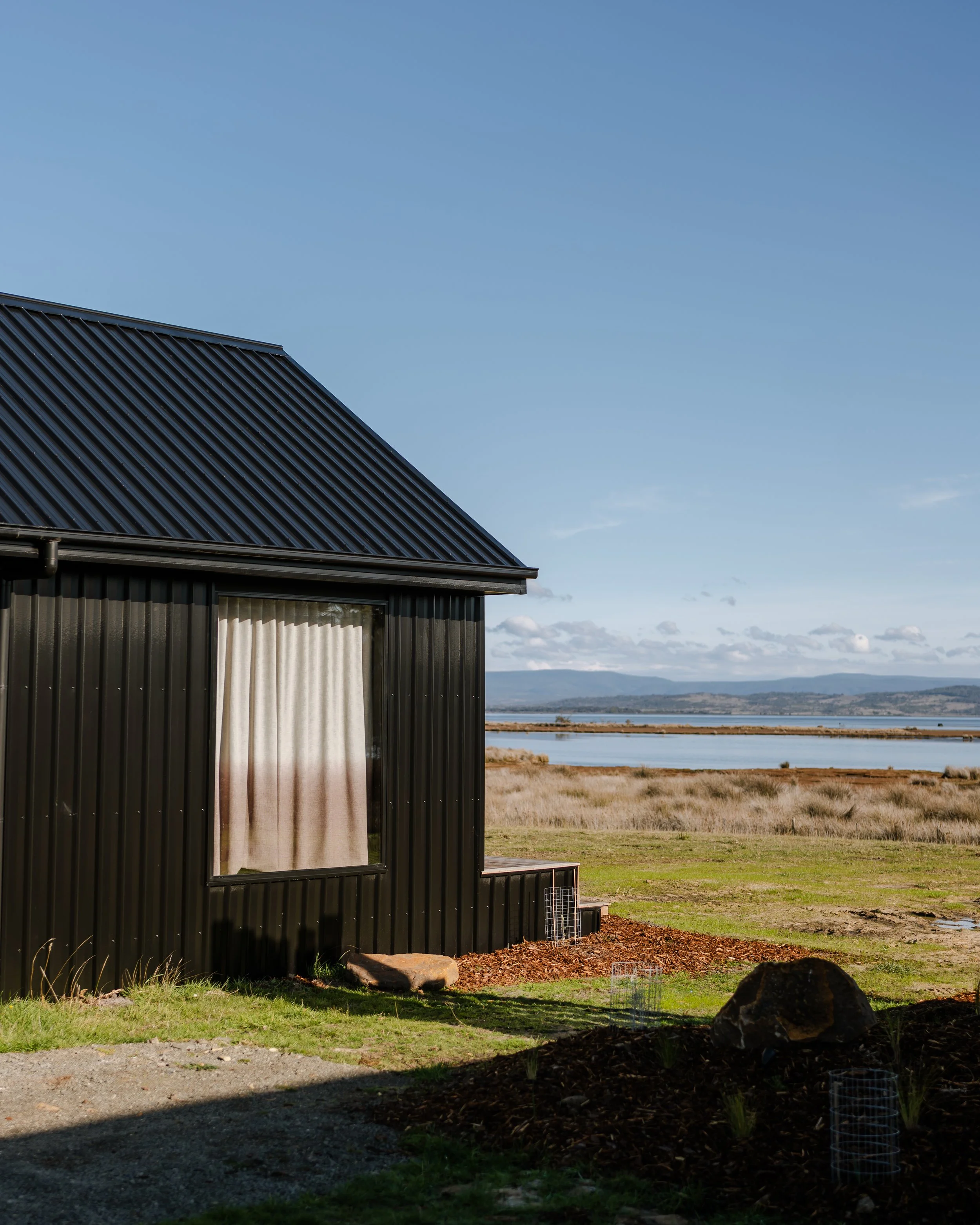
Yes. Wineglass Bay Estate sits beside the Moulting Lagoon region, with every retreat overlooking waterfront landscape and native bushland connected to the lagoon environment.
The property offers front-row access to one of Tasmania’s most peaceful and significant natural landscapes.
-
Yes. Moulting Lagoon is located near Freycinet National Park on Tasmania’s East Coast, approximately 13 minutes from the national park entrance and Wineglass Bay walking area.
-
Visitors are drawn to the region for:
birdlife
peaceful waterways
East Coast scenery
wildlife experiences
photography
sunsets
nature immersion
proximity to Freycinet National Park
The lagoon offers a quieter and less explored side of Tasmania’s East Coast.