Moulting Lagoon: Tasmania's Hidden Paradise for Birdwatchers, Photographers and Nature Lovers
When most visitors think of Tasmania's East Coast, their minds immediately jump to Wineglass Bay, white sand beaches and granite peaks. Yet tucked quietly beside Freycinet National Park lies one of Tasmania's most significant natural treasures: Moulting Lagoon.
Stretching across more than 11,000 hectares, Moulting Lagoon is recognised as a Ramsar-listed wetland of international importance, making it one of Australia's most valuable wildlife habitats. Rich in birdlife, native wildlife and ever-changing landscapes, it is a place where nature takes centre stage.
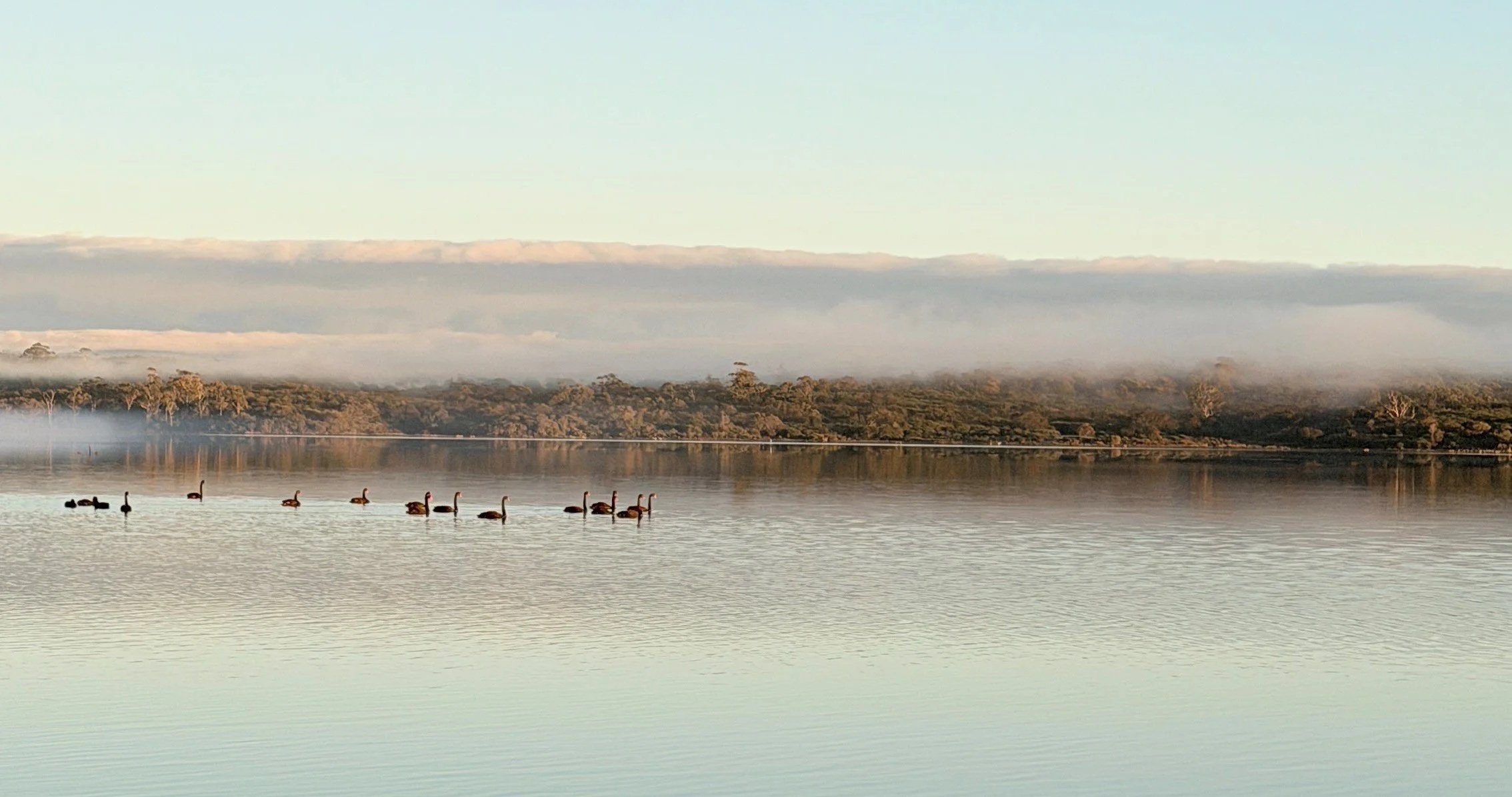
For birdwatchers, photographers and those seeking a deeper connection with the natural world, Moulting Lagoon is one of Tasmania's best-kept secrets.
What Makes Moulting Lagoon So Special?
Moulting Lagoon is one of the largest coastal wetlands in Tasmania and was listed under the Ramsar Convention due to its international significance for waterbirds and wetland conservation.
The lagoon supports a remarkable diversity of wildlife, providing feeding, breeding and resting grounds for countless species throughout the year.
The landscape itself is constantly changing. Depending on the season, weather and tide conditions, the lagoon can transform from mirror-like reflections at sunrise to dramatic skies filled with thousands of birds at dusk.
It is this ever-changing environment that keeps photographers and nature enthusiasts returning time and time again.
A Birdwatcher's Paradise
Moulting Lagoon is widely regarded as one of Tasmania's premier birdwatching destinations.
More than 100 bird species have been recorded within the lagoon system, including:
Black swans
Australian pelicans
White-bellied sea eagles
Ospreys
Pied oystercatchers
Black-fronted dotterels
Royal spoonbills
Great egrets
Herons and cormorants
Migratory shorebirds
During migration seasons, the lagoon becomes an important stopover for birds travelling thousands of kilometres along international flyways.
Whether you're an experienced birder with binoculars in hand or simply enjoy spotting wildlife from your deck, Moulting Lagoon offers extraordinary opportunities to observe birds in their natural habitat.
A Dream Location for Wildlife Photography
For photographers, few locations on Tasmania's East Coast offer the diversity of subjects found at Moulting Lagoon.
Sunrises often paint the water in soft pinks, golds and blues, creating stunning reflections across the calm lagoon surface. Native wildlife regularly appears throughout the day, while sunsets bring dramatic colours and silhouettes across the wetlands.
Photographers can capture:
Waterbirds in flight
Eagles soaring overhead
Reflections across still water
Native wildlife
Seasonal wildflowers
Misty morning landscapes
Spectacular East Coast sunsets
Every visit offers something different, making Moulting Lagoon a destination worth returning to throughout the year.
Nature at Your Doorstep
One of the unique aspects of staying at Wineglass Bay Estate is the opportunity to immerse yourself in this remarkable environment without leaving your accommodation.
All eight luxury retreats overlook Moulting Lagoon, providing guests with front-row seats to one of Tasmania's most beautiful natural landscapes.
Wake to the sound of birdsong, enjoy your morning coffee while watching swans glide across the water, or settle in for sunset as the lagoon changes colour before your eyes.
Rather than driving to experience nature, you'll find it right outside your door.
More Than Just a View
Moulting Lagoon is more than a picturesque backdrop.
It is a living ecosystem that supports wildlife, protects biodiversity and plays an important role in Tasmania's environmental heritage.
For many guests, it becomes one of the most memorable parts of their stay. The sense of space, tranquillity and connection to nature is increasingly rare and is one of the reasons visitors fall in love with this part of Tasmania.
Stay Beside One of Tasmania's Most Important Wetlands
Located on Tasmania's spectacular East Coast, Wineglass Bay Estate offers luxury accommodation overlooking the internationally recognised Moulting Lagoon wetlands.
Just minutes from Freycinet National Park and Wineglass Bay, the estate provides the perfect base for birdwatchers, photographers, nature lovers and those simply looking to slow down and reconnect with the natural world.
If you're searching for a destination where wildlife, landscapes and tranquillity come together, Moulting Lagoon may just become your favourite discovery on Tasmania's East Coast.
Ready to experience it for yourself? Plan your escape and follow us for more travel inspiration: 📩 info@wineglassbayestate.com.au 📷 Instagram | Facebook
-
Moulting Lagoon is a Ramsar-listed wetland of international significance, recognised for its important role in supporting waterbirds, migratory bird species and diverse wetland ecosystems. It is one of Tasmania's most significant coastal wetlands.
-
Yes. Moulting Lagoon is considered one of the best birdwatching locations on Tasmania's East Coast. More than 100 bird species have been recorded here, including black swans, pelicans, spoonbills, sea eagles, oystercatchers and migratory shorebird
-
Visitors regularly spot black swans, Australian pelicans, white-bellied sea eagles, ospreys, pied oystercatchers, herons, egrets, cormorants and royal spoonbills. Bird activity varies throughout the year, making every visit unique.
-
Birdwatching is rewarding year-round, but early mornings and late afternoons are often the most active times. Spring and autumn can be particularly rewarding as migratory species pass through the region.
-
Absolutely. Moulting Lagoon is a favourite among wildlife and landscape photographers thanks to its diverse birdlife, reflective waters, changing light conditions and spectacular sunrises and sunsets.
-
Along with abundant birdlife, visitors may encounter wallabies, wombats, echidnas, possums and a variety of native reptiles throughout the surrounding landscape
-
Many photographers are drawn to the lagoon's shoreline, wetlands and viewing points along Coles Bay Road. Guests staying at Wineglass Bay Estate can also enjoy uninterrupted lagoon views directly from their private retreat.
-
Yes. All retreats at Wineglass Bay Estate overlook Moulting Lagoon, providing guests with opportunities to observe and photograph birdlife from the comfort of their accommodation.
-
Wineglass Bay Estate offers luxury accommodation overlooking Moulting Lagoon. With all retreats positioned to capture water views, guests can enjoy direct access to one of Tasmania's most remarkable natural landscapes.